
Walls and ceilings are often among the most visible surfaces affected by smoke. Even a relatively small smoke event can leave grey or black residue across upper walls, corners and ceilings. Using a smoke sponge provides a dry-cleaning option for removing loose soot before deciding whether additional washing, sealing or repainting is required.
Although the tool is simple, technique matters. Incorrect pressure, poor work sequencing or introducing moisture too early can make a cleaning job more difficult. A careful process helps protect the surface and reduces the chance of moving contamination into cleaner areas.
Start With a Safety Assessment
Before touching a smoke-damaged wall, determine where the contamination came from.
Smoke from a small candle or fireplace is very different from residue following a significant structural fire.
Professional help may be necessary where there is:
- Structural damage
- Exposed electrical wiring
- Heavy fire debris
- Extensive contamination
- Uncertain combustion residue
- Damage inside wall or ceiling cavities
Do not begin cosmetic cleaning until the area itself is safe to enter and work in.
Protect the Room Before Cleaning
Soot can fall from walls and ceilings while being removed.
Cover floors and furniture where appropriate and move unnecessary items away from the work zone.
Useful Preparations
Consider:
- Protective floor coverings
- Suitable gloves
- Eye protection when working overhead
- Stable access equipment
- Waste bags
- Adequate lighting
- Good ventilation where appropriate
Preparation can save considerable cleanup later.
Test the Surface First
Paint, wallpaper and decorative finishes vary.
Choose a small inconspicuous location and test your cleaning method before working on a large visible area.
Observe whether:
- Colour transfers
- The finish changes
- Streaking occurs
- The surface becomes polished or marked
- The material is too fragile for the method
If the test area reacts badly, stop and reassess.
Use the Sponge Dry
A soot sponge is designed for dry removal during the initial cleaning stage.
Do not automatically wet it as you would an ordinary household sponge.
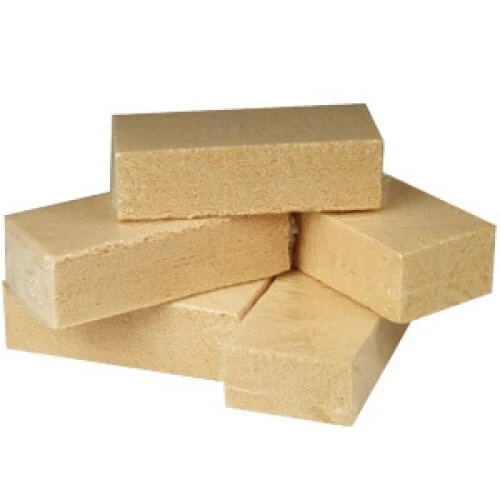
Use controlled strokes across the contaminated area and allow the sponge surface to collect the residue.
Recommended Working Method
- Begin at a manageable section.
- Apply light, even pressure.
- Move in consistent strokes.
- Avoid repeatedly rubbing one small spot.
- Inspect the sponge regularly.
- Move to a clean contact area as needed.
- Check your progress before continuing.
Working methodically helps avoid patchy results.
Cleaning Walls
Walls are generally easier to access than ceilings, but large areas still require organisation.
Divide the wall visually into sections and complete one section at a time.
A soot sponge can be particularly useful around upper wall areas where smoke naturally accumulates.
Pay attention to:
- Corners
- Areas above doors
- Window surrounds
- Heating vents
- Picture outlines
- Cornices
- Areas close to fireplaces
These zones may show heavier contamination than the centre of a wall.
Cleaning Ceilings
Ceilings can be more difficult because the cleaner is working overhead.
Use a stable platform or suitable access equipment rather than stretching or standing on unstable furniture.
Work in small sections so you can maintain consistent pressure.
Ceiling Cleaning Tips
- Keep the work area well lit.
- Avoid excessive pressure.
- Protect your eyes from falling particles.
- Do not overload yourself with tools while elevated.
- Reposition access equipment rather than reaching too far.
- Take regular breaks during large projects.
Safety is more important than speed.
Avoid Smearing
One of the main objectives of dry soot cleaning is controlling the particulate residue.
If the sponge becomes heavily contaminated and is continually dragged across the wall, effectiveness may decrease.
Regularly inspect it.
Likewise, avoid switching immediately to wet wiping simply because a stubborn mark remains. First determine what type of residue is present and whether another cleaning stage is appropriate.
What Happens After Dry Cleaning?
Removing loose soot does not always restore the original finish completely.
Depending on the severity of smoke exposure, additional steps may be needed.
These can include:
- Detailed cleaning
- Odour treatment
- Surface preparation
- Stain-blocking products
- Sealing
- Repainting
The correct next step depends heavily on the material and extent of the damage.
Mistakes to Avoid
Several common mistakes can reduce cleaning quality:
- Skipping the test patch
- Pressing too hard
- Using an unstable ladder
- Working with poor lighting
- Reusing heavily contaminated contact areas
- Cleaning only at eye level
- Forgetting the ceiling
- Mixing dry and wet methods without a plan
- Assuming all painted surfaces are equally durable
Slower, organised work usually gives better control.
Why Choose CleanCare Australia?
CleanCare Australia supplies cleaning equipment, chemicals and accessories for residential, professional and commercial applications. Its specialist cleaning range includes products for surface care, carpet cleaning and restoration-related tasks. Customers who need Chemical Sponges for smoke and soot cleanup can source purpose-made dry-cleaning sponges through CleanCare Australia.
Conclusion
Cleaning smoke residue from walls and ceilings is not simply a matter of wiping harder. Successful results depend on assessing the damage, protecting the surrounding area, testing the surface and using controlled dry-cleaning techniques. A smoke sponge can be a useful tool for reducing loose soot while limiting unnecessary moisture during the initial stage. For heavy contamination or significant fire damage, professional restoration remains the safer and more appropriate option.